Bright Ideas: Smarter Home Lighting on a Small Budget

Discover how to transform everyday rooms with do‑it‑yourself smart lighting upgrades for under one hundred dollars, blending affordable bulbs, switches, and sensors into routines that feel magical. We’ll compare protocols, share practical stories, and guide you through setup steps so comfort, efficiency, and creativity shine brighter without straining your wallet. Share your results and favorite setups to inspire fellow readers.

Choosing Protocols that Last

Protocols determine reliability, range, and future flexibility more than flashy packaging. Wi‑Fi is convenient but can congest busy routers; Zigbee and Thread spread traffic efficiently; Matter promises unified control. Consider hubs you already own, power outages, and guest network isolation before committing, saving frustration and money later.

Color, Warmth, and Brightness

Brightness measured in lumens affects visibility more than wattage, while color temperature guides mood from cozy 2700K evenings to crisp 5000K focus. Favor high CRI for accurate colors, and try tunable white to support circadian rhythms. Balance output with lamp shades and room size to avoid glare.

Setup Without Tears

Successful setup starts with factory resets, 2.4 GHz Wi‑Fi readiness, and clear naming that mirrors rooms and purposes. Pair one device at a time, update firmware, and test dimming ranges. If pairing fails, move closer to the router, temporarily disable VPNs, and retry calmly, documenting steps.

Switch Smarts: Control Rooms Without Rewiring

Smart switches and remotes let households share control even when phone batteries die. Under one hundred dollars, you can add dimming, multi‑way logic, and child‑friendly buttons. We’ll address neutral‑wire limitations, line voltage safety, and matching bulbs, while sharing a renter’s trick for adhesive plates that look built‑in.

Motion Where It Matters

Think like people move: a sensor at the bathroom entrance, another angled toward the sink, and one lower near a child’s night path. Calibrate timeouts generously, then shorten gradually. Add a small delay for morning coffee trips so lights feel responsive, not frantic or startling.

Light‑Aware Logic

Ambient‑light thresholds prevent wasteful activations at noon yet welcome illumination on stormy afternoons. Measure real lux at eye level if possible, or adjust by observation across a week. Combine motion with brightness checks, and suppress triggers after manual off actions to respect preference and stop ping‑pong automation battles.

Voice and Apps: Hands‑Free Brilliance

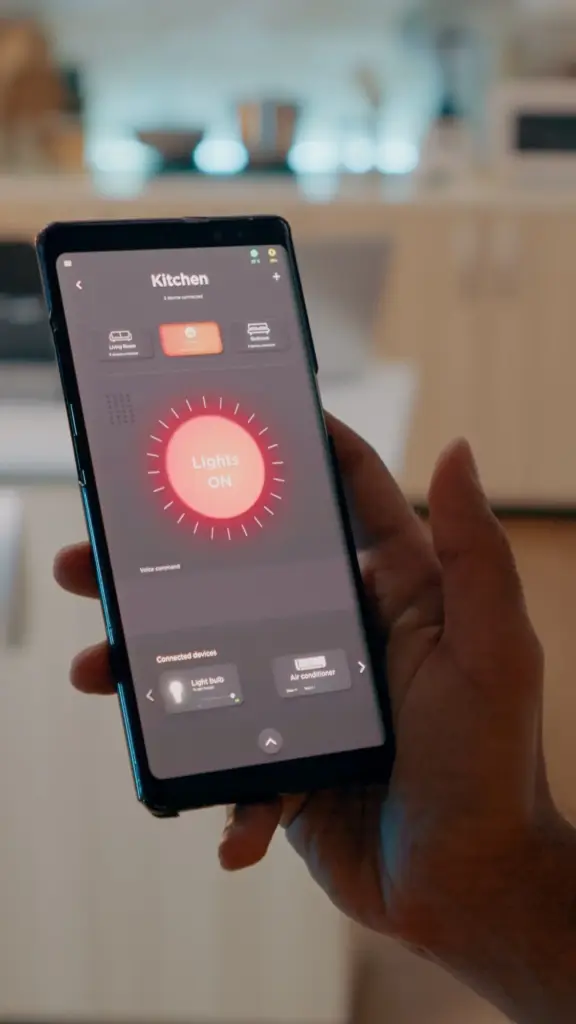
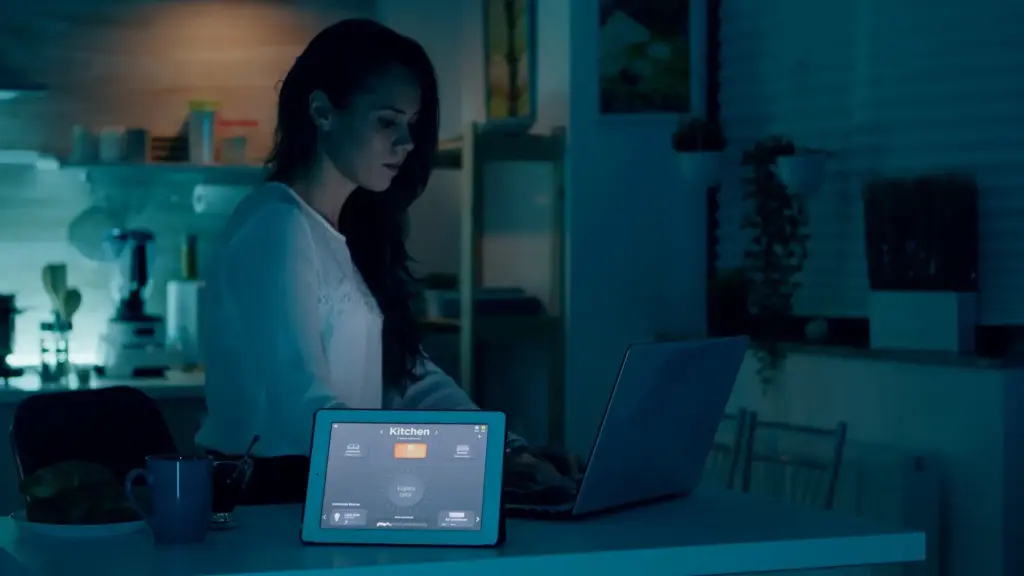
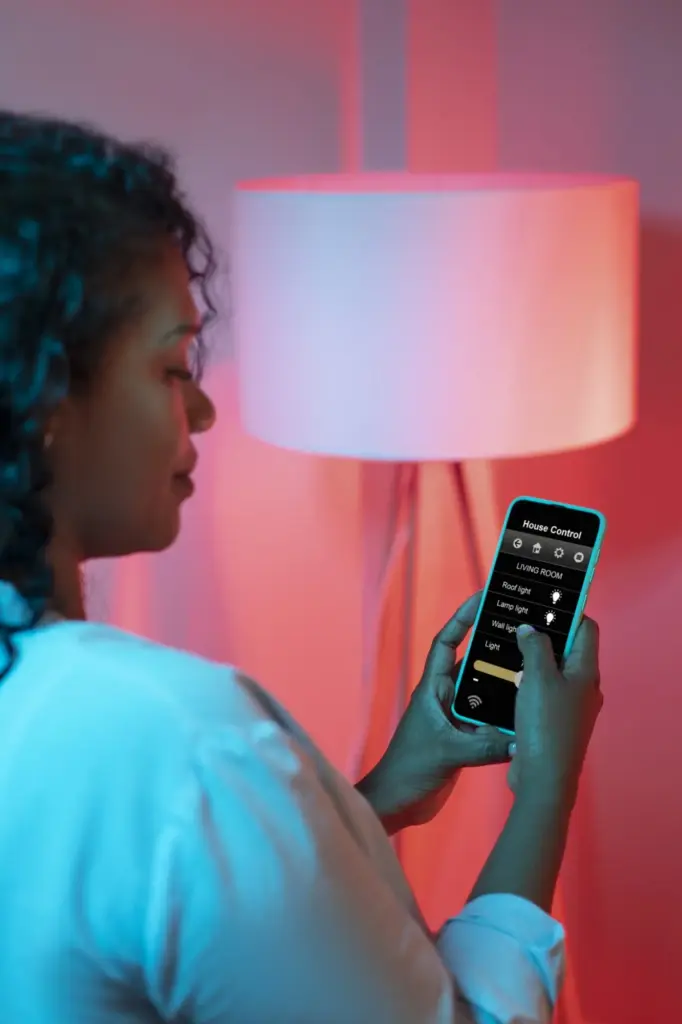
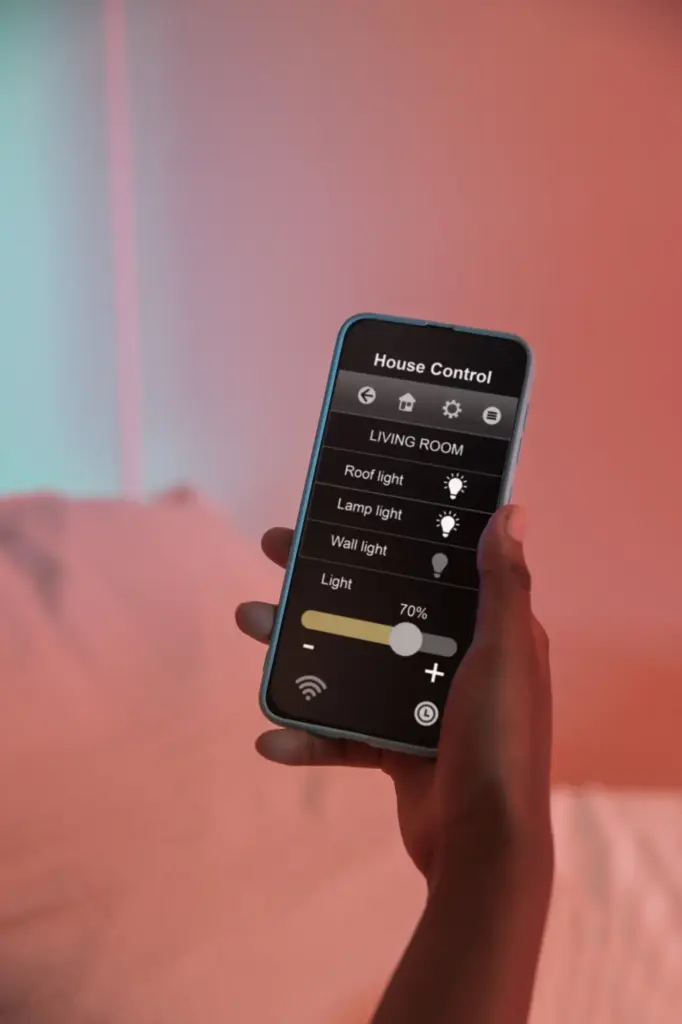
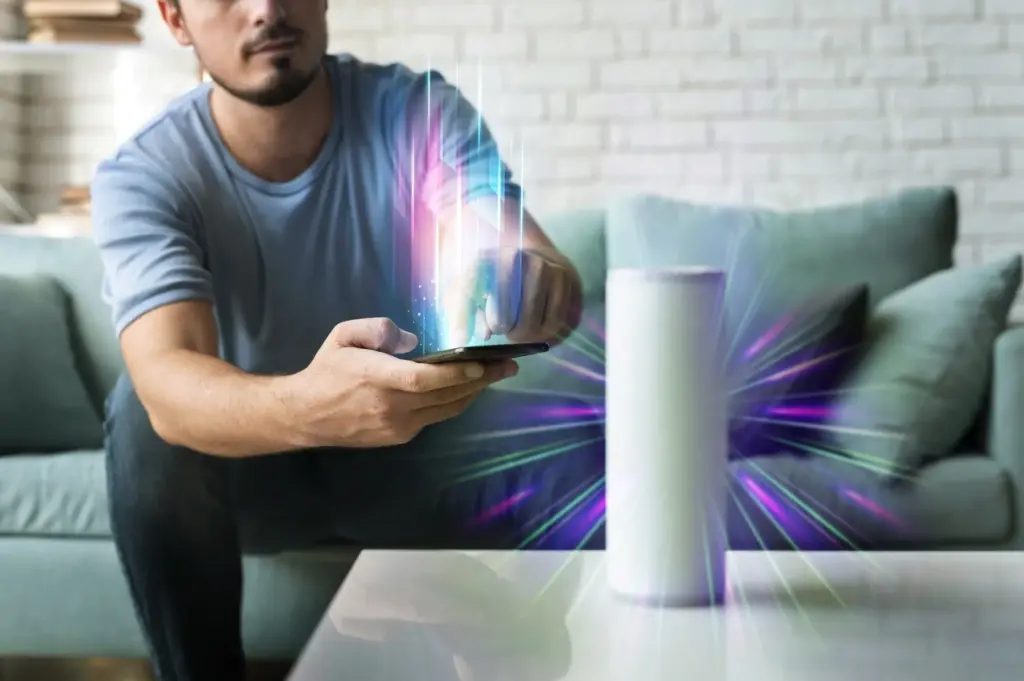
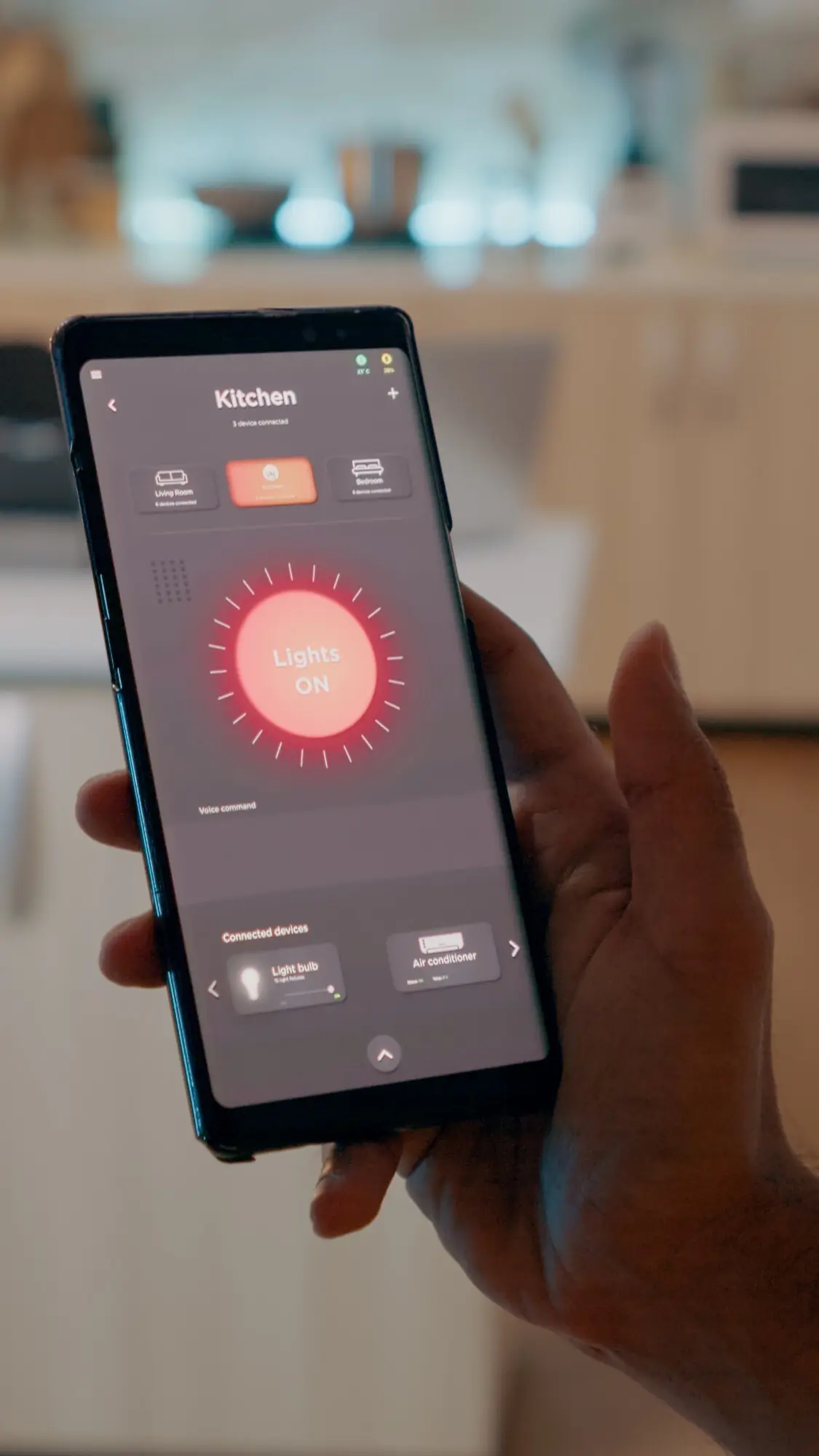
With a single phrase, lights transform from gloomy to welcoming, and hands remain free for cooking, crafting, or carrying laundry. We’ll connect budget bulbs and switches to assistants through Matter or native integrations, design reliable cues, and consider privacy by preferring local processing whenever practical and supported.

Routines that Reduce Taps

Routines replace repetitive taps with predictable flows: kitchen lights warm before dawn, hallway fades after bedtime, and outdoor bulbs pulse softly when a delivery arrives. Tie conditions together thoughtfully, and add a manual override phrase so any member can pause automation during guests, projects, or movie nights.
Names That Make Sense

Call a lamp what your brain expects to hear: ‘Kitchen Pendants,’ ‘Sofa Lamp,’ or ‘Desk Task.’ Avoid duplicate names across platforms to prevent confusion. Group per room and activity, and confirm that every family voice profile can trigger the same friendly, predictable phrasing without hiccups.

Cooking and Focus

In the kitchen or at your desk, prioritize high lumens and cooler whites during preparation, studying, or detailed repairs. Add a temporary boost button that returns to normal after thirty minutes. This avoids forgotten glare and keeps evenings comfortable while still supporting productivity when it’s truly needed.

Evening Wind‑Down

Evening presets should drift warmer and dimmer over thirty to sixty minutes, signaling your body that rest is near. Consider amber pathways to bathrooms and nurseries. Reduce blue output on bedroom lamps, and keep phone screens dark, letting gentle light nudge routines without startling sleepy minds.

Vacation Illusions

When traveling, let randomized, modest brightness shifts suggest occupancy without wasting energy. Vary between rooms, skip late‑night activations, and coordinate with smart shades if available. Schedule differently on weekends to mimic natural behavior, discouraging would‑be snoops while your home quietly protects itself with believable, lived‑in rhythms.

Budget Blueprint: Spend Smart, Shine Smarter

A thoughtful plan stretches dollars further than impulse buys. We’ll outline three example kits under one hundred dollars, discuss tradeoffs, and flag accessories worth postponing. You’ll learn where to splurge a little, what to bootstrap today, and how to scale smoothly without creating compatibility headaches.
Sanodexosentovelto
Privacy Overview

This website uses cookies so that we can provide you with the best user experience possible. Cookie information is stored in your browser and performs functions such as recognising you when you return to our website and helping our team to understand which sections of the website you find most interesting and useful.